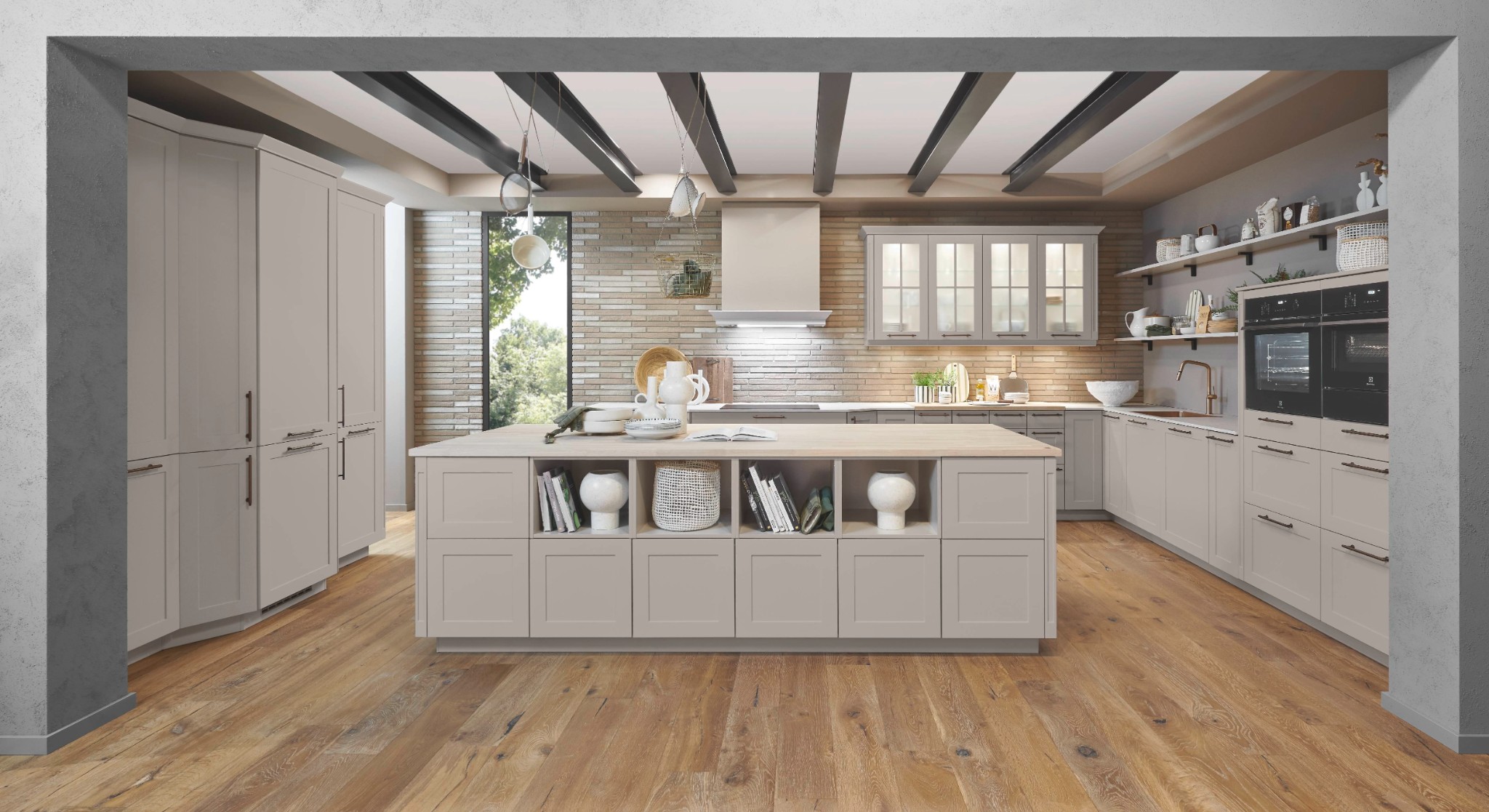
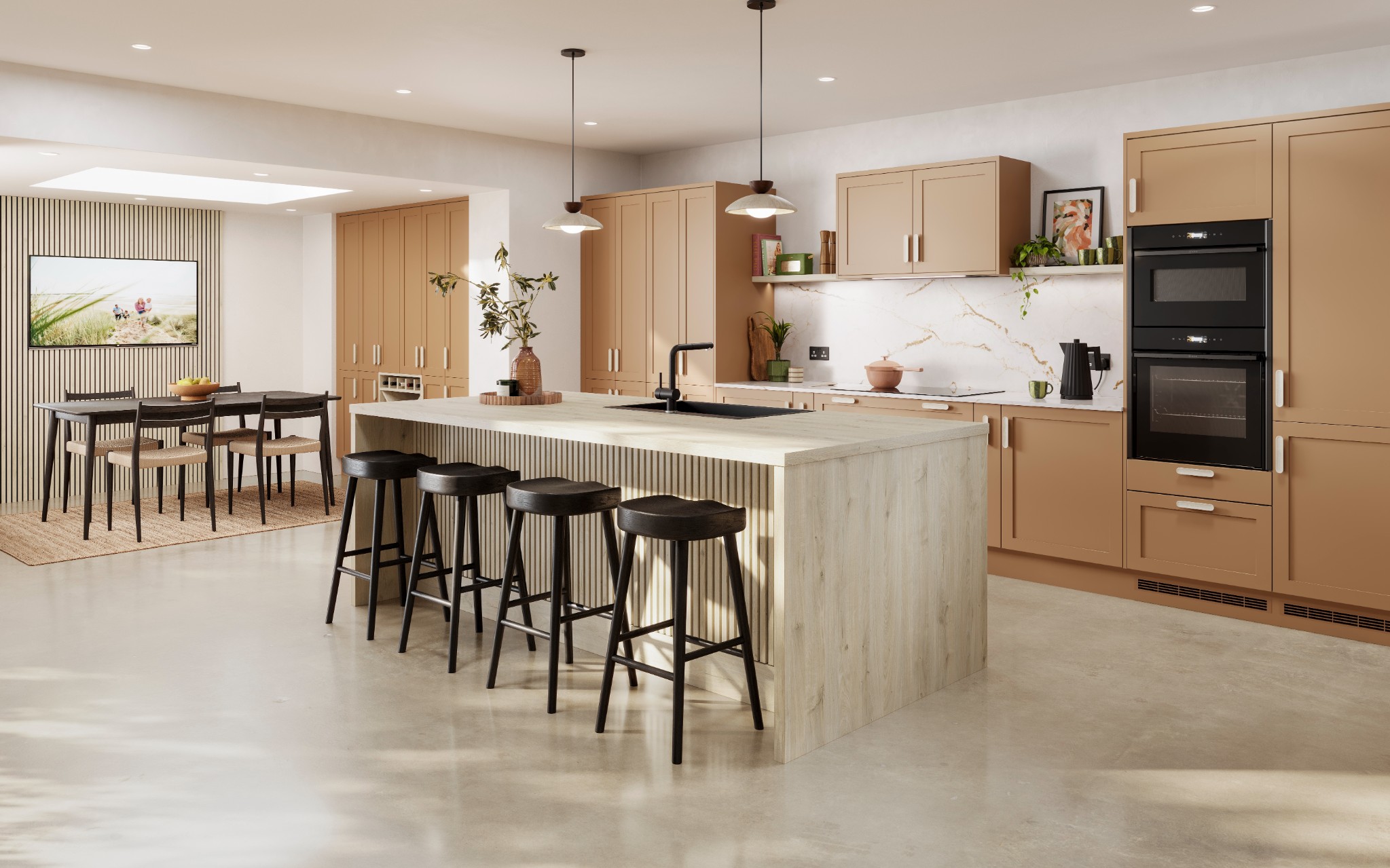
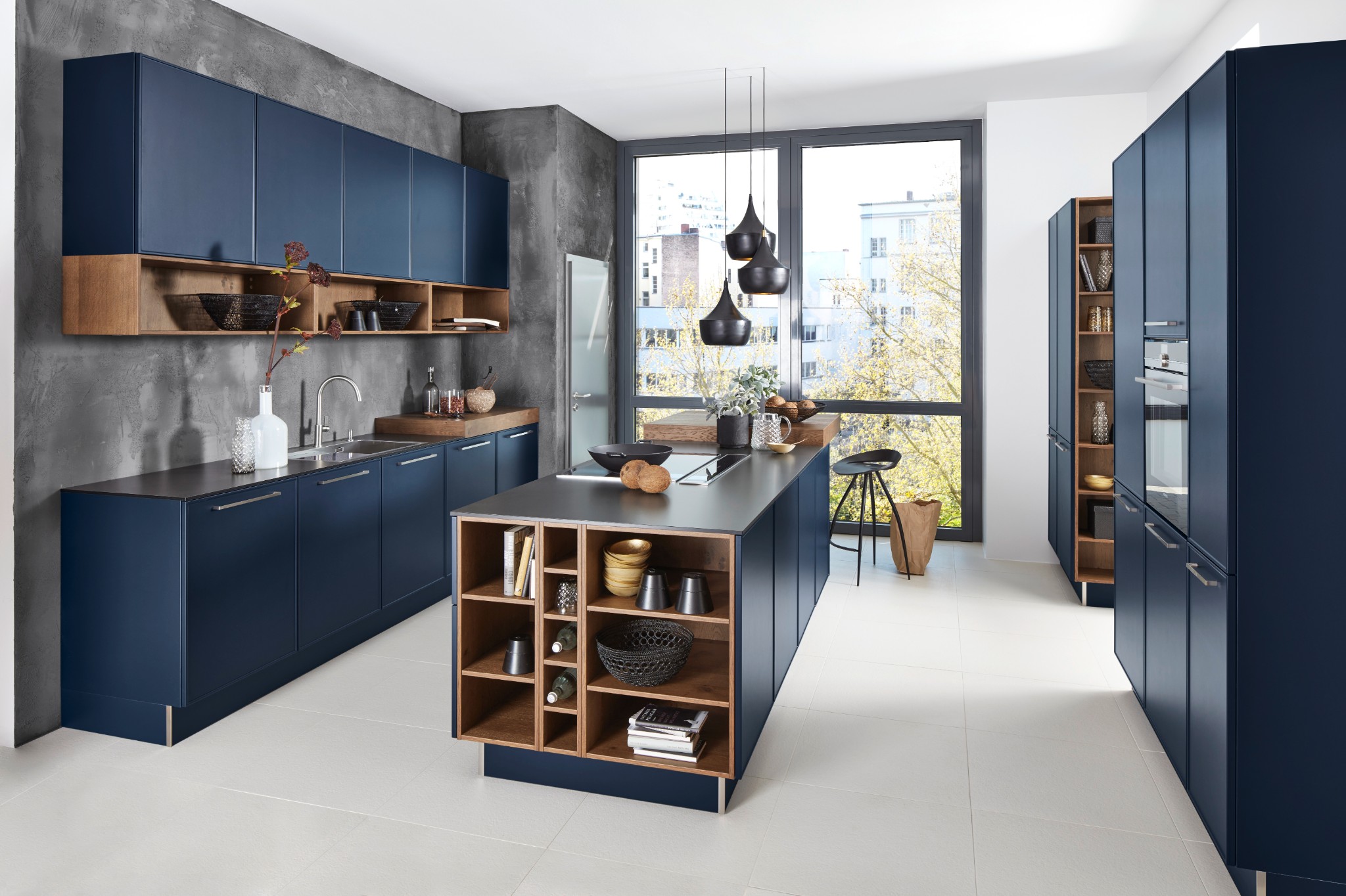
What a kitchen island actually does
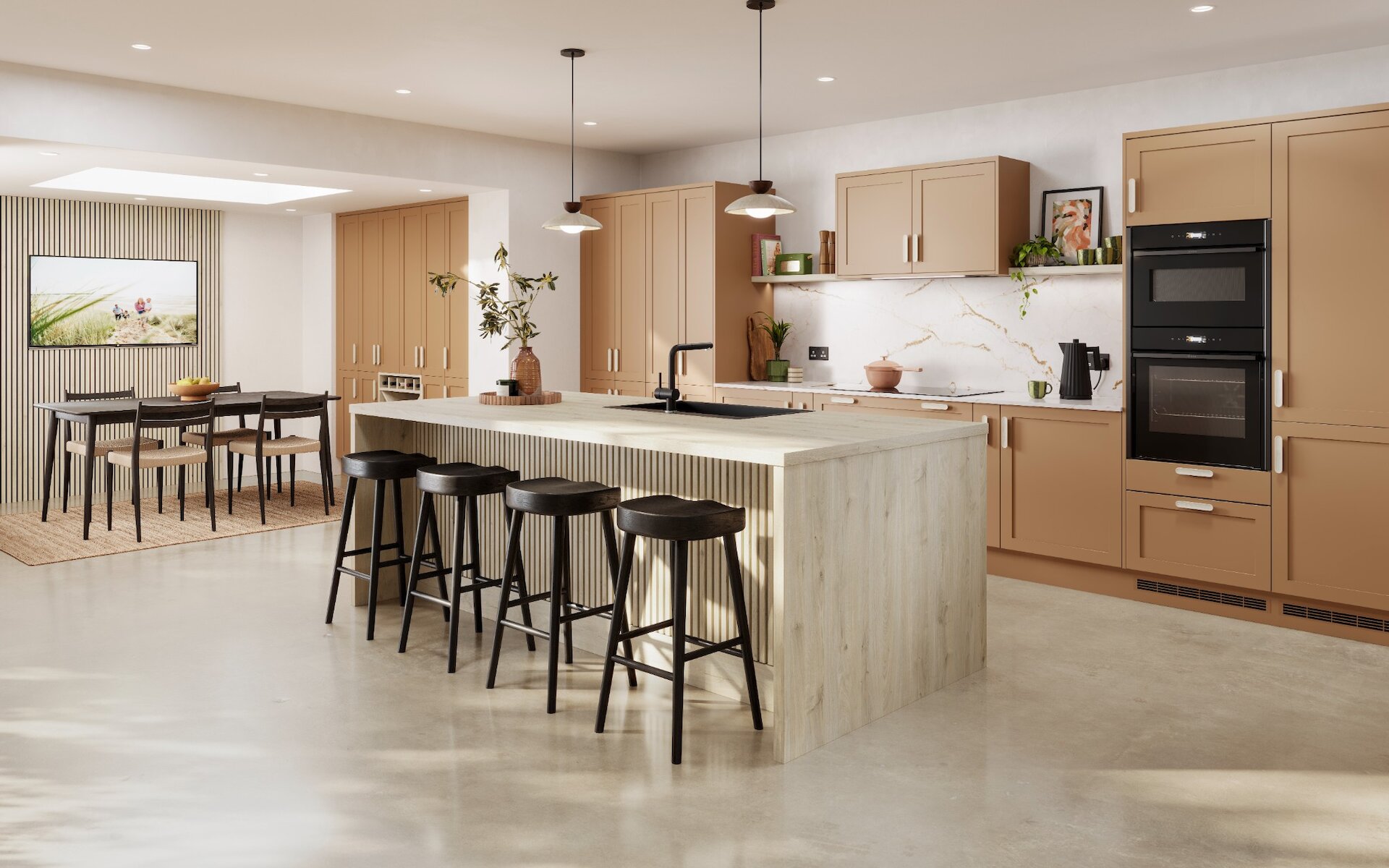
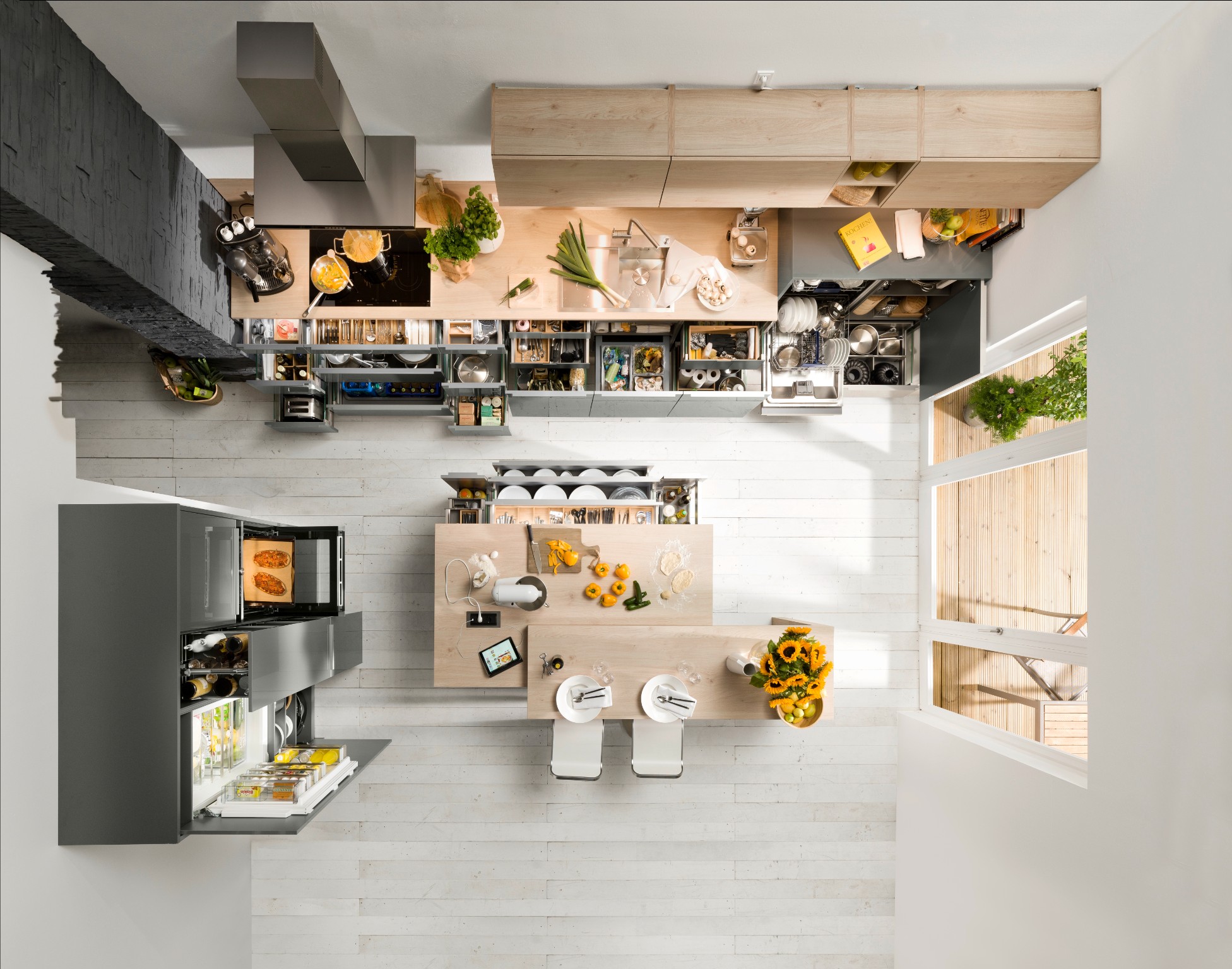
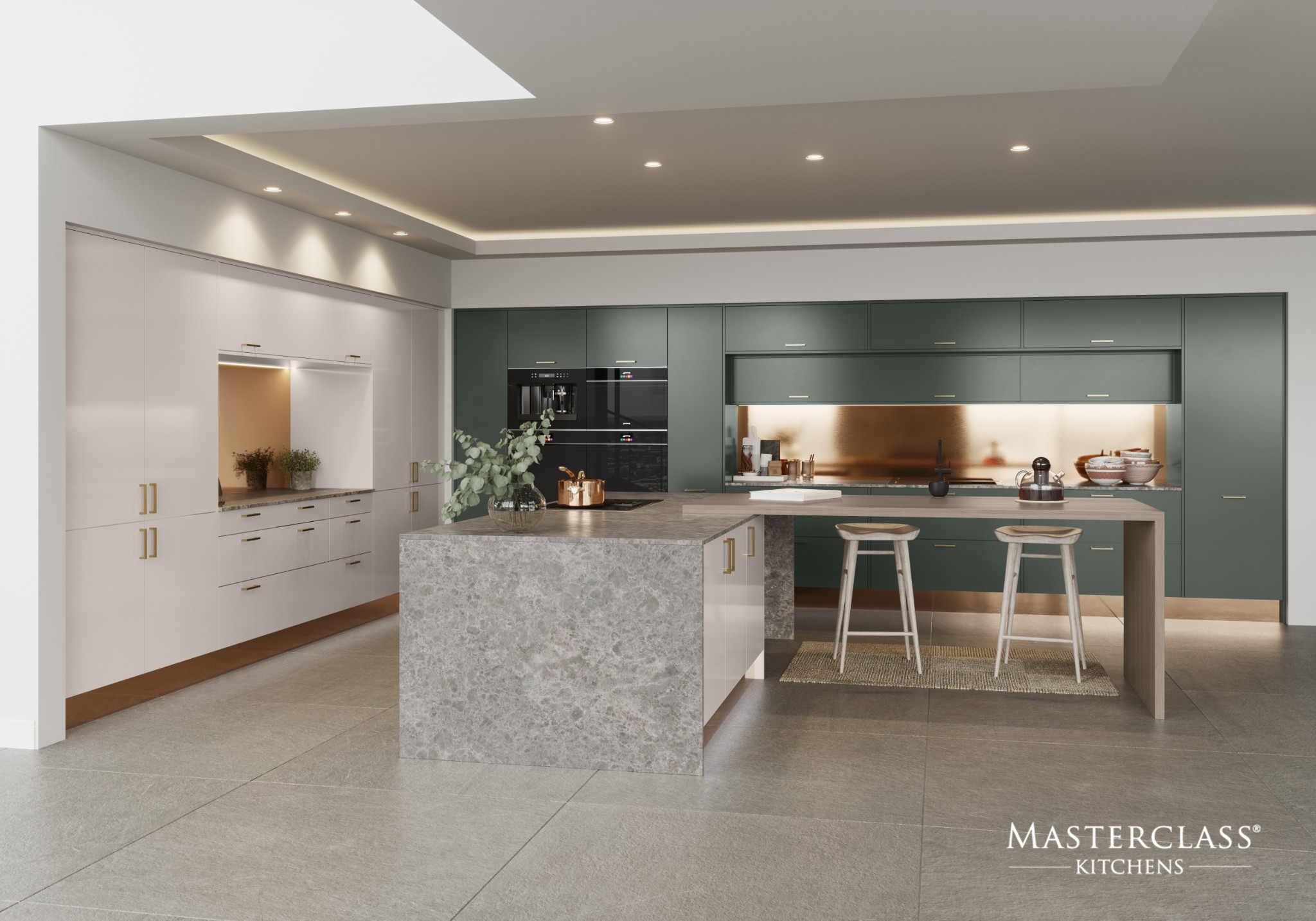
At its best, an island improves the “workflow triangle” between your sink, hob, and fridge, while adding usable surface area and storage. At its worst, it becomes a bulky obstacle that makes the kitchen feel cramped and awkward to move around.
So the key question is: will it improve movement and function - or restrict it?
The pros of adding a kitchen island
1) More worktop space
Islands add prep area right in the centre of the action - handy for chopping, mixing, plating up, and serving.
2) Extra storage without taking up more wall space
A well-designed island can hold deep pan drawers, pull-out bins, small appliances, or even an integrated wine fridge - storage that’s often hard to create elsewhere.
3) A natural social hub
Islands are brilliant for homes where people gather in the kitchen. Add seating, and you get a casual spot for:
- breakfasts and quick meals
- bairns’ homework while you cook
- chatting with guests without turning your back
The cons (and when an island can be a mistake)
1) It can choke your walkways
If you don’t have enough clearance around it, an island makes everything harder: opening ovens, loading dishwashers, carrying shopping, and even passing someone in the kitchen.
2) It can complicate electrics, plumbing, and flooring
Adding a sink or hob to the island means services need routing under the floor - totally doable, but it adds complexity and cost.
3) Not always the most efficient use of space
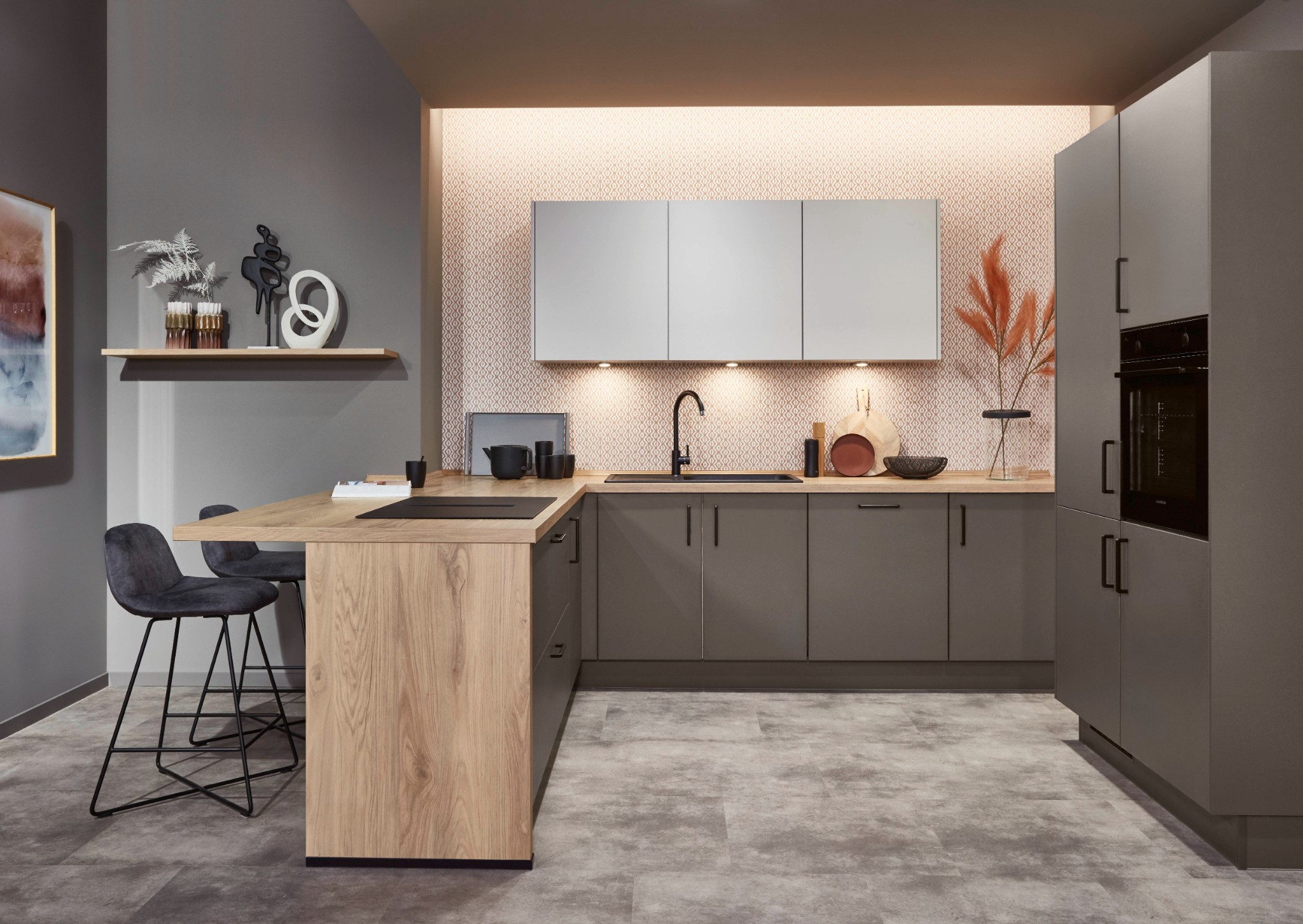
In smaller kitchens, a peninsula (an island attached at one end) or a long run of base units may give more value with fewer compromises.
The space requirements: will an island actually fit?
Here are practical guidelines designers use to make sure an island works comfortably, not just “technically fits.”
Minimum clearances around an island
Aim for at least 1000 mm (1 metre) of clear space around the island as a starting point. However, if dishwashers, oven doors, or drawers open into the space, ideally you’d have more room to allow someone to walk past while they are open.
Seating clearance (if you want stools)
If you want seating, plan for:
- Worktop overhang: around 250-300 mm for knees
- Stool spacing: allow ~600 mm per person for comfortable elbow room
- Behind stools: ideally 1000 mm+ so people can sit and someone can pass
If seating is the priority, a peninsula often works better in tighter rooms.
Design choices: what should the island include?
Option A: Prep-only island
Pros: easy to service, keeps cooking mess on the perimeter, provides uninterrupted prep space.
Cons: May end up clutter dumping zone.
Tip: Consider adding power sockets for appliances if possible.
Option B: Sink on the island
Pros: social, great for prep and clean-up
Cons: plumbing cost and you need space for drainer/cleaning storage
Tip: include a dishwasher nearby and think about where wet items will go.
Option C: Hob on the island
Pros: dramatic, sociable cooking
Cons: extraction can be tricky; splatter and safety need thought
Tip: allow generous worktop space either side and consider ventilation early.
Final thought
A kitchen island is brilliant when it’s sized and spaced properly - it should feel like the kitchen is working around it, not despite it. The most common regret is squeezing in an island that looks great on a plan but makes the room harder to use every day.
If you’re unsure if an island can work well in your space, our designers are happy to advise you and provide you with layout options to consider.
To book a design appointment visit:
https://www.grdirect.co.uk/kitchens/book-a-design-consultation